
Dt 26:4-10
Rom 10:8-13
Lk 4:1-13
Lent
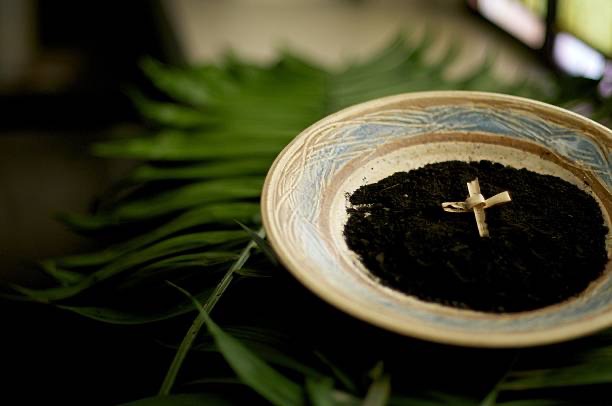
This past Wednesday was Ash Wednesday, the beginning of Lent. Every liturgical year the church sets aside forty days of preparation for the most important feast of the year – Easter. Reading the scripture, the Word of God for this Sunday, tells us that Jesus, following his baptism goes into the wilderness for forty days prior to beginning his public ministry. During that time he prayed and fasted, while at the same time he was tempted by Satan. This experience of Jesus praying and fasting is to be replicated in our lives during Lent.
In a sense, looking back, we had been in a sort of wilderness while deep into the pandemic. The pandemic separated us from friends, family and colleagues. We fasted from regular activities, not of our own choice, but by the motivation for self-safety and that of others.
In a different kind of experience, the church asks us to freely make the choice to go into some form of personal wilderness during Lent, a wilderness that helps us be honest with ourselves and find ways to grow in our relationship with God. This wilderness can be a time for us to seek ways to be a better person, while at the same time, deepening our relationship with God. It is a time for us to confront anything that is an obstacle that prevents us from fully giving ourselves to God and caring for others.
The practices of prayer, fasting and almsgiving are the traditional ways that we try to commit to Lent as a time of spiritual preparation and personal growth. Prayer is not just for Lent but it is a time to deepen the way we pray. It is a time to set aside quiet time for talking to God and doing personal self-reflection, listening to God’s voice speaking to us. It is a time to practice more spiritual reading and reflection with scripture. It is a time to be more contemplative and to grow through meditation. It is a time for our sacramental life to take on new or renewed meaning. It is a time to reflect on what is happening around us. What do you need to do to enhance your prayer life?
We also are called to fast. Most people think that fasting refers to food, but there are many ways to fast. Giving up some favorite food is good, but it might be more growth producing to give up criticism or anger. Instead of giving up a meal, fasting from social media might be more costly, but also more beneficial. What is it that fills your mind that doesn’t help you deepen your relationship with God and neighbor? That’s an area where you can fast from the obstacle. Fast from something that costs you personally, but at the same time, helps you be a better person.
Almsgiving is always a good practice, but during Lent you can be more decisive about how you will give. Part of your fasting might be to buy nothing personal during Lent and give what you might have spent to a charity. You could forego your evening glass of wine and give what you save to a foodbank. Put all your loose change in a jar and then add more so that at the end of Lent you have something visible to give. Give what you can, but be conscious of how and why you are doing it. All of us have personal gifts – time, talents and treasure. During Lent share them with those in need.
It is up to us to contribute to making the reign of God real in the here and now. Lent is a special time to commit to making the kingdom/reign of God a reality in our lives in a significant way. Let’s make this the best Lent we have ever experienced. May our Lenten resolutions be a way to deepen our relationship with God and to grow spiritually into better people than we were before Lent began?
What is your Lenten resolution that costs you and helps you grow?
In what ways will your almsgiving benefit others who are in need?
 Angela For Today